
Ever heard someone say “this is the worst that [x technology] will ever be”? That it’s inevitable that tech will keep improving?
They mean that although there are acknowledged shortcomings with that technology, it’s OK. Things will only get better as the technology is refined so you might as well get on board now.
Magical thinking?
I read this thread on BlueSky recently featuring people talking about their frustrations with the current state of web search. It’s quite entertaining but also a bit demoralising. Take this quote from Swift on Security.
My phone has full optical character recognition of 47,000 photos. I can search individual words.I cannot search three words in quotes. Computers used to be powerful. That power meant something. It was power for making your life better in sovereignty to your own interests.And now we have this.
— SwiftOnSecurity (@swiftonsecurity.com) 2025-11-14T00:48:04.394Z
I’ve heard similar arguments for numerous different tools and platforms, so why this persistent view that technology and usability are always on an upward curve?
I think some of it comes from assumptions we’ve built based on ideas like Moore’s Law about exponentially increasing computing power (which , incidentally we’re reaching the limit of because of…physics) or simple observation about our devices getting smaller, faster, more powerful, or the thrill of discovering something new that seemed impossible even the day before.
When it comes to the state of the web, a different pattern seems to be emerging and the best person to listen to about this is Cory Doctorow. Here he is talking about “enshittification”.
Simply put, the business model used by a lot of tech companies involves gaining an audience and third party suppliers through a great user experience, then locking them in and extracting them for as much value as possible, destroying the experience that made them great in the first place.
So is it a question of perspective?
As a user, you might look at, say, the current state of your social media experience and think that actually it’s a lot worse than it was a while back. And that’s probably true. If you own the platform, though, maybe it is working as well as it ever has. You’re able to extract more and more value from your locked-in customers.
The end result? A search experience that doesn’t actually work? A social media landscape that threatens social cohesion and democracy?
Sidenote: thinking about Wikipedia
In the face of all this, there’s a growing sense of web nostalgia, harking back to a simpler time before it all went downhill. Things might have been more chaotic then, but it was purer. Closer, perhaps to Tim Berners-Lee’s original vision for the web.
I don’t think it’s as simple as that. Using the web “back in the day” (whenever you chose that to be), wasn’t always better. It could be frustrating and extremely user-unfriendly.
But some people are starting to rediscover “coelacanths” from that age.
Do you remember when Wikipedia was the single greatest threat to academic integrity?
Now to some it looks like a bastion of community-led, peer-reviewed virtue in a landscape of information turmoil. Funny how these things work out!
[Disclaimer: I contribute a small amount each month to support Wikipedia]
So what does this mean?
Personally speaking, I think it’s useful that we can liberate ourselves from thinking that tomorrow’s technology will inevitably be better than today’s.
As educators, we can push back against assumptions, encourage vendors to show their working and perhaps build a stronger idea of what it is we want technology to do for us rather than waiting hopefully for it to arrive in a form that actually solves real problems.
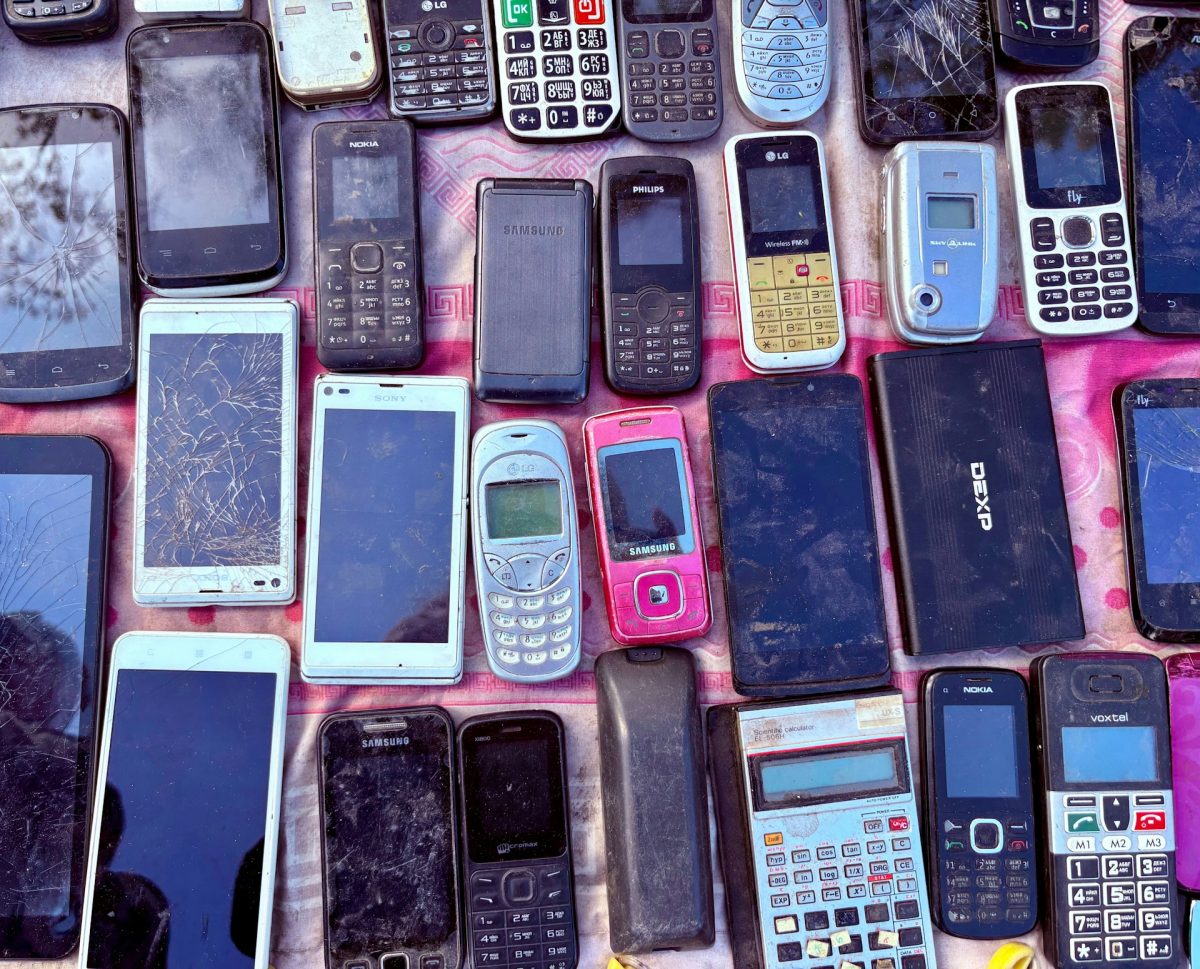
Photo by Tasha Kostyuk on Unsplash
