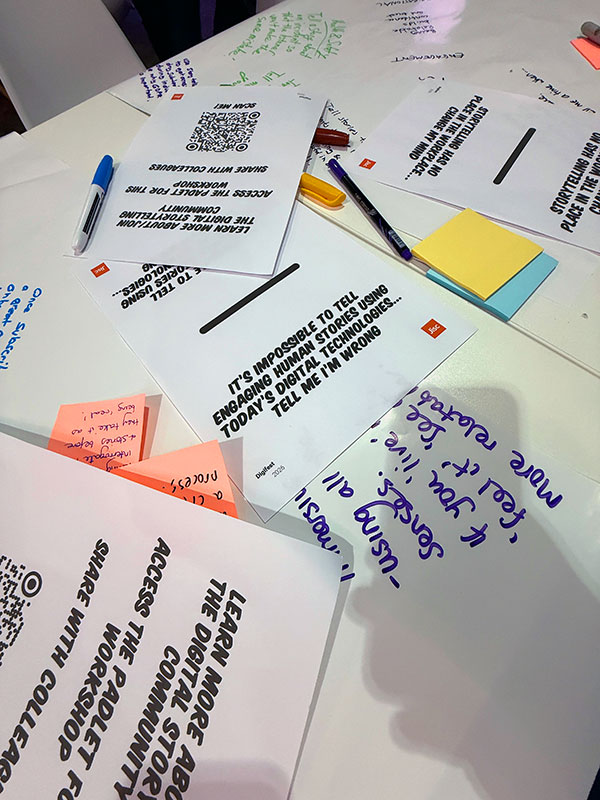
Catherine provides an overview of the Digital Wellbeing workshop at Digifest 2026 and invites you to join the Digital Wellbeing community
This is our Digital Practice round-up for February 2026 of the things we’ve been reading, watching and discovering this month. This edition has been edited by Cat Bailey with contributions from Chris Thomson (CT), Scott Hibberson (SH) and Kathryn Woodhead (KW). Digital tools and spaces Are you a sponge or a stone? Being open and […]
Variations of smart glasses have been around for years, but newer models are lighter, cheaper and easier to use. Because of this, it’s worth taking another look at what they might offer learners in further and higher education. In our previous post, we explored several current models and what they can do. In this post, […]
Scott unpacks how Action Learning Sets can help libraries in Higher Education work through digital transformation projects.
A bumper issue of our monthly roundup of what the Jisc Digital Practice team have been doing and discovering over the last few weeks.
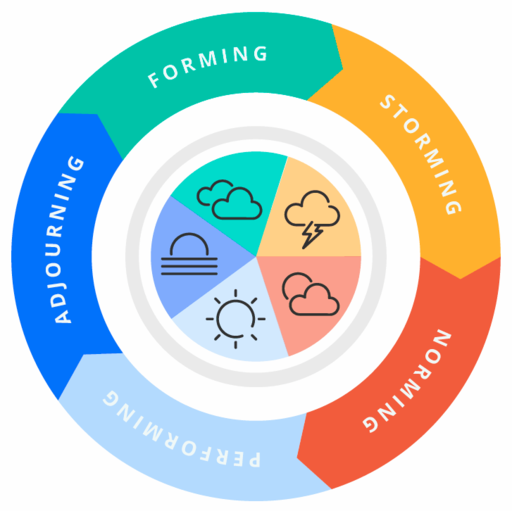
Online collaboration has become a defining feature of contemporary academic and professional work. Yet despite widespread familiarity with digital tools, many teams continue to struggle with engagement, inclusion, and effectiveness in virtual environments. This blog post argues that Tuckman’s model of team development provides a useful conceptual framework for understanding and improving online collaboration practices.
Scott investigates an emerging challenge for FE and HE across the UK in light of recent findings from the Mental Health UK charity. Artificial intelligence (AI) is no longer a future concept in mental health support – it is already part of everyday life. More than one in three adults (37%) say they have used an AI chatbot to support their mental health or wellbeing. For educators working in higher education (HE) and further education (FE), this should be a wake-up call.
One of the major challenges of creating story experiences or learning resources using 360 video footage is how to direct the viewers’ attention when you need to. This post won’t try to answer the the question of why you might want to use 360 video. I’ll assume for now you’ve made that decision. Part of […]
This is our monthly roundup of what the team have been doing and discovering over the last few weeks. This edition has been edited by Chris with contributions from Scott.
As part of ALT/ Jisc XR Community’s work investigating the ethical use of immersive technology, we’ve invited Matthew Coxon (Programme Lead (BSc, Psychology) and Senior Lecturer in Cognitive Psychology at York St John University), who is a member of our steering group, to share his experiences: Over the past decade, we’ve been developing our approach to using virtual reality in Psychology teaching at York St John […]